Stem Cell Treatment in Los Algodones: What to Know
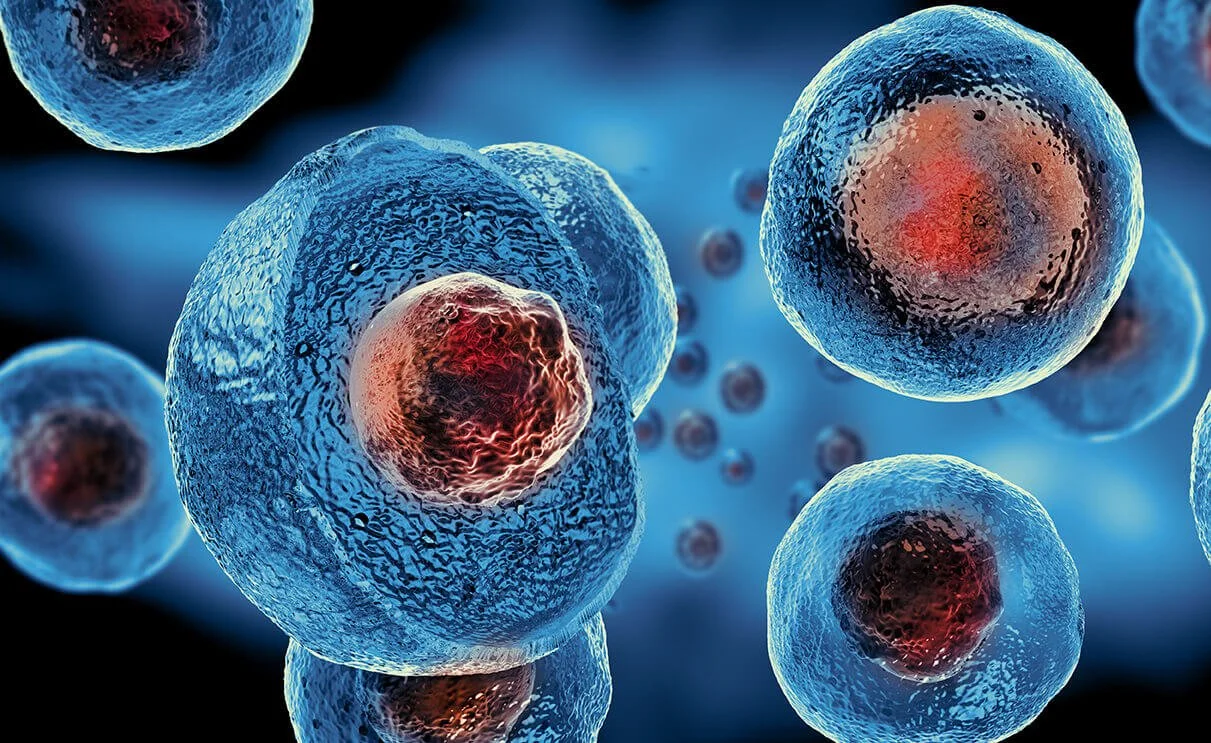
Stem cell therapy has become one of the most discussed topics in regenerative medicine. For patients dealing with chronic pain, joint degeneration, or inflammatory conditions, it represents a potential non-surgical option that focuses on supporting the body’s natural repair processes rather than simply masking symptoms.
At the same time, stem cell treatment is often surrounded by confusion, exaggerated claims, and unrealistic expectations—especially within the medical tourism landscape. This makes informed decision-making essential.
Los Algodones, Mexico, has emerged as a destination where patients can access regenerative medicine under proper medical supervision. Within this environment, Dr. Noe Zamudio is known for approaching stem cell therapy with clinical responsibility, clear patient education, and ethical standards that prioritize safety over promises.
This article explains what stem cell treatment really involves, why patients consider Los Algodones, and what to evaluate carefully before choosing a clinic.
What Is Stem Cell Therapy?
Stem cell therapy is a form of regenerative medicine that uses cells with the ability to support tissue repair and modulation of inflammation. In orthopedic and pain management contexts, stem cell therapy is often used as a non-surgical regenerative approach, particularly for joints, soft tissue, and inflammatory conditions.
Rather than acting as a cure, stem cell therapy is designed to:
• Support the body’s natural healing response
• Reduce inflammation in affected tissues
• Improve joint function and mobility in some patients
It is important to understand that stem cell therapy does not regenerate entire organs or reverse advanced disease, and outcomes vary depending on the patient’s condition, overall health, and treatment plan.
Stem Cell Therapy vs. Traditional Pain Treatments
Traditional pain treatments often focus on symptom control through medications, steroid injections, or surgical intervention. While these options can be appropriate in certain cases, they may not address underlying tissue health.
Stem cell therapy differs in that it aims to support biological repair mechanisms. However, it is not a replacement for all traditional treatments. In many cases, regenerative therapy is considered after conservative options have been evaluated, or as part of a broader pain management strategy.
Why Patients Travel to Los Algodones for Stem Cell Treatments
Patients from the United States and Canada increasingly explore international options for regenerative medicine due to limited access, high costs, or long waiting times at home.
Los Algodones has become a point of interest because it offers:
• Accessibility for cross-border patients
• Physicians trained in regenerative and pain medicine
• Clinics focused on outpatient, non-surgical care
• Transparent pricing compared to U.S. healthcare costs
However, availability alone does not guarantee quality. The rapid growth of regenerative medicine has also led to clinics offering treatments without sufficient medical oversight.
Safety, Regulations, and Medical Oversight
Responsible stem cell therapy requires:
• Physician-led evaluation and consent
• Proper sourcing and handling of biological material
• Sterile clinical environments
• Clear documentation and follow-up protocols
Patients should be cautious of centers that market stem cell therapy as a universal solution or bypass medical evaluation altogether. Ethical clinics operate within medical frameworks, even in a medical tourism setting.
Conditions Commonly Treated with Stem Cell Therapy
Stem cell therapy is most commonly considered for musculoskeletal and inflammatory conditions. While suitability varies, patients often inquire about treatment for:
• Knee, shoulder, or hip joint degeneration
• Chronic back or neck pain related to disc or joint issues
• Tendon or ligament injuries
• Osteoarthritis in early to moderate stages
• Inflammatory joint conditions
Not every condition responds equally, and advanced degeneration or structural damage may limit the potential benefit of regenerative therapy.
A thorough medical evaluation helps determine whether stem cell injections are appropriate—or whether alternative pain management strategies may be more effective.
The Importance of Medical Evaluation
One of the most critical steps before considering stem cell therapy is a comprehensive medical evaluation. This process distinguishes a legitimate medical clinic from a “regenerative spa.”
A proper evaluation typically includes:
• Detailed medical history
• Review of imaging studies (X-rays, MRI, CT when available)
• Physical examination
• Assessment of prior treatments and response
• Discussion of goals, risks, and limitations
Without this step, patients risk undergoing treatments that may be unnecessary, ineffective, or inappropriate for their condition.
Dr. Noe Zamudio’s Regenerative Medicine Protocol
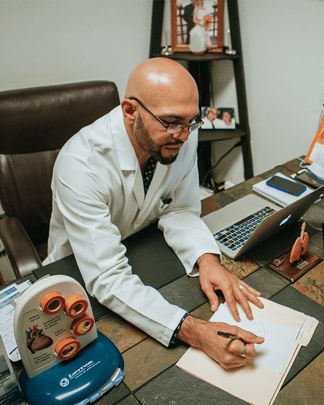
Dr. Noe Zamudio integrates stem cell therapy into a broader pain management and regenerative medicine framework. His approach is guided by one principle: stem cell treatment should only be offered when medically justified.
His protocol emphasizes:
• Individualized patient assessment
• Conservative decision-making
• Evidence-informed regenerative techniques
• Integration with other non-surgical pain treatments when appropriate
Rather than positioning stem cell therapy as a standalone solution, Dr. Zamudio evaluates how it may complement physical therapy, lifestyle modification, or other interventional pain strategies.
This medical-first approach allows patients to understand both the potential benefits and realistic limitations of regenerative therapy.
Setting Realistic Expectations
One of the most important conversations in regenerative medicine is about expectations. Ethical stem cell therapy requires transparency.
Patients should understand that:
• Results are not immediate
• Improvement may be gradual over weeks or months
• Not all patients experience the same degree of relief
• Additional treatments or supportive therapies may be needed
Recovery and Follow-Up Care
Post-treatment care plays a key role in outcomes. Follow-up may include:
• Activity modification guidance
• Monitoring symptom changes
• Coordinating rehabilitation or physical therapy
• Reassessment of pain and function
This ongoing evaluation helps determine whether the treatment is producing meaningful benefit and whether adjustments are necessary.
Choosing a Medical Clinic, Not a Promise
As interest in stem cell therapy grows, patients must differentiate between medical care and marketing.
A trustworthy stem cell clinic should:
• Avoid guaranteed outcomes
• Prioritize diagnosis over procedures
• Provide clear informed consent
• Encourage questions and second opinions
Dr. Noe Zamudio’s practice reflects a commitment to ethical regenerative medicine—where patient safety, education, and medical judgment come before trends or sales language.
A Responsible Path to Regenerative Care
Stem cell treatment can be a valuable option for select patients when used responsibly and under proper medical supervision. Los Algodones offers access to regenerative medicine, but the quality of care depends entirely on the physician and clinical standards involved.
For patients seeking clarity rather than hype, Dr. Noe Zamudio provides a medically grounded approach to stem cell therapy, helping patients make informed decisions based on their individual condition.
Book Your Medical Evaluation
Book a medical evaluation to determine if stem cell therapy is right for you and explore regenerative treatment options guided by medical expertise.