
PAIN MANAGEMENT
Tendonitis Treatment in Los Algodones with Dr. Noe Zamudio
At Dr. Z Clinic in Los Algodones, Baja California, Dr. Noe Zamudio helps patients recover from tendonitis using integrative and regenerative medicine. Instead of just resting and waiting, his approach targets the source—an inflamed or damaged tendon that won't heal on its own—to reduce pain, support tissue repair, and get you back to using the affected joint without that nagging, persistent ache.
UNDERSTANDING TENDONITIS
What Tendonitis Really Feels Like?
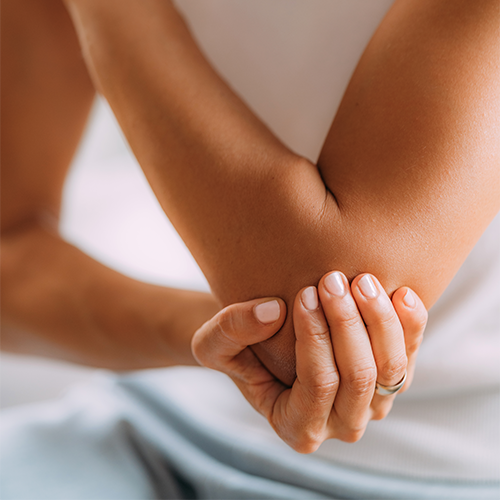
Tendonitis usually starts as a dull ache that flares up the moment you use the affected area—then slowly becomes harder to ignore. For many it's a sharp pain with specific movements: gripping, lifting, reaching overhead, or pushing off a foot. Others feel tenderness to the touch, stiffness first thing in the morning, mild swelling, or a sensation of weakness in the joint.
It happens when a tendon—the tough cord that connects muscle to bone—becomes inflamed or irritated, usually from repetitive motion, overuse, or an injury that never fully healed. Common areas include the elbow (tennis or golfer's elbow), shoulder (rotator cuff), wrist, knee, and Achilles tendon. The frustrating part is that tendons have limited blood supply, so they often heal slowly—or get stuck in a cycle of pain that lingers for months.

IMPACT ON DAILY LIFE
How Tendonitis Affects Your Everyday Life
Tendonitis has a way of turning routine movements into a source of pain. Patients tell us they've struggled to:
Grip, lift, or carry everyday objects without pain
Reach overhead, get dressed, or wash their hair
Play golf, tennis, pickleball, or other sports they love
Type, use tools, or do repetitive work tasks
Walk, run, or climb stairs without the joint flaring up
Sleep comfortably when lying on the affected shoulder or arm
Because the pain returns every time you use the area, many people simply stop—but rest alone often isn't enough, and the tendon stays weak and prone to flaring up again.
WHY IT MATTERS
Why You Shouldn't Wait to Treat Tendonitis
Tendonitis is easy to push through or ignore—but untreated tendon problems often get worse, not better. When inflammation persists, the tendon can begin to degenerate, a condition that's slower and harder to heal than simple inflammation. In some cases, a chronically weakened tendon can eventually tear.
Resting and taking anti-inflammatories may calm a flare-up, but they don't repair the damaged tendon or address why it isn't healing. And because people naturally compensate—favoring the other arm, shoulder, or leg—new strain and pain often show up elsewhere.
Treating the tendon earlier, while the damage is still mild, gives the body a better chance to heal properly and helps you avoid more invasive procedures later on.
OUR APPROACH
How Dr. Noe Zamudio Treats Tendonitis at the Root.
Dr. Noe Zamudio practices integrative, regenerative medicine—a minimally invasive approach designed to reduce inflammation, support tendon repair, and restore function without major surgery. Because tendons heal slowly on their own, regenerative treatments help jump-start the body's natural repair process right where it's needed.
Depending on your condition, your personalized plan may combine:
Platelet-Rich Plasma (PRP) — using your body's own growth factors to promote healing directly in the damaged tendon, a treatment especially well-suited to tendon injuries
Mesenchymal stem cell therapy — to help reduce inflammation and support the regeneration of tendon and surrounding soft tissue
Prolotherapy — to strengthen the tendon and stabilize the affected joint
Physiotherapy & integrative care — to rebuild strength, restore range of motion, and prevent the problem from coming back
Every plan is tailored to your specific condition, your level of pain, and your goals—offering a regenerative alternative to surgery while focusing on lasting recovery.

BENEFITS
Life After Tendonitis Treatment
The goal of treatment isn't just less pain—it's getting back to using your body with confidence. After regenerative tendonitis treatment, many patients experience:
Reduced pain and inflammation in the affected tendon, often with less reliance on medication
Improved strength and function in the joint
A return to the activities they love—sports, hobbies, and work
Better sleep without being woken by a throbbing shoulder or arm
A minimally invasive alternative to tendon surgery and long recovery times
Results vary from person to person and depend on the severity of the condition, but the focus is always the same: helping you move freely and use the affected area without pain.

FREQUENTLY ASKED QUESTIONS
Tendonitis Treatment FAQs.
-
Tendonitis is most often caused by repetitive motion, overuse, or an injury that didn't fully heal, leading to inflammation in a tendon. Common areas include the elbow, shoulder, wrist, knee, and Achilles tendon. A proper evaluation is the first step to identifying the affected tendon and the cause.
-
In many cases, yes. Regenerative treatments like PRP, stem cell therapy, and prolotherapy are minimally invasive options designed to reduce inflammation and support tendon repair, helping many patients avoid surgery.
-
Tendons have limited blood supply, which is why they often heal slowly. PRP delivers a concentration of your body's own growth factors directly to the damaged tendon, helping stimulate the natural healing process where it's needed most.
-
It depends on the tendon and how long it's been inflamed. Mild cases may improve in a few weeks, while chronic tendonitis can linger for months. Regenerative treatments aim to support proper healing rather than just easing symptoms, which can reduce the risk of recurring pain.
-
Los Algodones is a leading medical tourism destination known for high-quality, affordable care close to the U.S. border. Patients can access advanced regenerative treatments from experienced doctors like Dr. Noe Zamudio at a fraction of the cost they'd pay at home.
-
Book a consultation with Dr. Noe Zamudio. He'll evaluate the affected tendon, discuss your symptoms and goals, and create a personalized treatment plan designed for your specific condition.
WHY CHOOSE DR. Z CLINIC
Dr. Noe Zamudio (Dr. Z), trusted Tendonitis Treatment in Los Algodones?
Patients travel from across the United States and Canada to Los Algodones for advanced, affordable care—and Dr. Noe Zamudio's clinic is one of the region's trusted names in regenerative pain management.
⟡ Experience and medical excellence. Dr. Zamudio and his team use standardized, safe protocols and evidence-based regenerative techniques.
⟡ Personalized, minimally invasive care. Treatment plans are tailored to each patient's specific condition, offering an alternative to surgery focused on long-term recovery.
⟡ Convenient for medical travelers. Located in Los Algodones, Baja California—just across the border and easily reachable for visitors—the clinic makes high-quality regenerative care accessible without the cost and wait times found elsewhere.
AFTER THE TREATMENT
Aftercare and Next Steps.
After your tendonitis treatment, following Dr. Noe Zamudio's recommendations is key to getting the most from your recovery. This may include rest, gradual return to activity, attending follow-up visits, and complementary physiotherapy if prescribed. These simple steps support tendon healing, rebuild strength in the area, and help your results last—so you can return to the activities you love without the pain coming back.

GET STARTED
Start Living Without Tendonitis Pain in Los Algodones.
Don't let tendon pain keep you from the activities you love. Discover a minimally invasive, regenerative approach with Dr. Noe Zamudio in Los Algodones, Baja California—designed to reduce pain, support tendon healing, and help you get back to moving freely.