
Many people associate regenerative medicine with chronic pain, joint injuries, or advanced musculoskeletal problems.
They often begin researching treatment options only after discomfort starts interfering with their daily activities.
But an important question deserves attention:
Should we think about joint health only when something hurts?
The answer is no.
Maintaining healthy joints, muscles, tendons, and ligaments is an important part of long-term mobility and physical independence.
However, preventive joint care and regenerative medical procedures are not the same thing. Understanding that distinction can help patients make better decisions about their health.
At Dr. Noe Zamudio's clinic in Los Algodones, Mexico, patient education and individualized medical evaluation are important parts of the approach to musculoskeletal health.
Joint Health Is About More Than Pain
Our joints and surrounding tissues work constantly.
Walking, climbing stairs, exercising, lifting objects, and performing everyday tasks all depend on coordinated movement between muscles, tendons, ligaments, cartilage, and bones.
Over time, these structures experience mechanical stress.
Age, previous injuries, repetitive movements, excess body weight, and certain medical conditions can influence musculoskeletal health.
Some changes develop gradually and may not initially produce noticeable symptoms.
This does not mean that everyone without pain has hidden joint damage.
It means that pain is not the only consideration when evaluating long-term joint health.
Mobility, strength, balance, flexibility, and functional performance also matter.
Why Previous Sports Activity Matters
People who have participated in physically demanding activities often become more aware of joint health as they age.
Examples include individuals with a history of:
Running
Cycling
Tennis
Basketball
Soccer
American football
Weight training
Repetitive occupational activity
Many former athletes continue to enjoy active lifestyles well into adulthood.
Others may experience stiffness, recurring discomfort, or limitations associated with previous injuries.
A history of sports participation does not automatically mean a person will develop arthritis or require medical procedures.
In fact, regular physical activity provides important health benefits.
Nevertheless, patients with previous injuries or changes in mobility may benefit from an individualized evaluation to identify factors that could affect their long-term function.

What Does Preventive Joint Care Actually Involve?
The foundation of joint health is often simpler than patients expect.
Evidence-based preventive strategies may include:
Maintaining Muscle Strength
Strong muscles help support joints during movement. Appropriate resistance training can improve strength, physical function, and stability.
Staying Physically Active
Regular movement helps maintain conditioning, flexibility, and general health. Activities should be selected according to a person's age, medical history, physical abilities, and goals.
Managing Body Weight
For weight-bearing joints such as the knees and hips, maintaining a healthy weight can help reduce unnecessary mechanical stress.
Addressing Previous Injuries
An old injury that continues to cause instability, weakness, or recurrent discomfort deserves attention. Rehabilitation may help restore strength and movement patterns.
Recognizing Changes in Function
A gradual loss of mobility, new joint swelling, recurring stiffness, or difficulty performing familiar activities may indicate that a medical assessment is appropriate. Preventive care is not about receiving every available treatment. It is about identifying the strategies that provide meaningful benefits for the individual.
Where Does Regenerative Medicine Fit?
Regenerative medicine is a broad field that investigates methods of repairing, replacing, or restoring damaged cells and tissues.
Within musculoskeletal medicine, patients may encounter terms such as:
Orthobiologics
Tissue repair and regeneration
These approaches are not interchangeable.
They differ in their biological mechanisms, clinical evidence, potential risks, and regulatory status.
Some procedures have been studied for selected musculoskeletal conditions, while others remain investigational or have insufficient evidence for routine use.
Importantly, there is not enough evidence to recommend routine stem cell injections, PRP, or prolotherapy simply to prevent joint aging or degeneration in otherwise healthy, symptom-free people.
A patient's interest in prevention should not automatically lead to an invasive procedure.
Instead, the physician should evaluate whether there is a diagnosed condition, a specific treatment indication, and a reasonable expectation of benefit.

Why Early Medical Evaluation Can Still Be Valuable
Even though preventive injections are not routinely established, early evaluation can be useful when someone notices changes in joint function.
For example, a patient may experience:
Recurrent joint stiffness
Reduced flexibility
Mild but persistent discomfort
Repeated swelling
Weakness after an old injury
Difficulty returning to a previous activity level
Reduced confidence during movement
A medical consultation can help determine whether these symptoms reflect a musculoskeletal condition that needs attention.
Depending on the findings, the physician may recommend physical therapy, exercise modification, additional testing, medication, or another appropriate intervention.
Some patients may also be evaluated for specific regenerative procedures, with a clear discussion of the available evidence and alternatives.
Can Regenerative Medicine Prevent Aging?
Aging is a natural biological process.
Although regenerative medicine researchers continue exploring tissue repair and cellular function, it would be inaccurate to claim that current regenerative procedures can stop cellular aging or guarantee that joints will remain healthy indefinitely.
Likewise, treatments marketed as ongoing cellular maintenance should be evaluated carefully.
Medical decisions should be based on a specific clinical need, not on the assumption that repeated procedures are necessary for everyone.
For most patients, maintaining strength, mobility, healthy habits, and appropriate medical follow-up remains the foundation of long-term musculoskeletal health.
A Personalized Approach to Long-Term Mobility
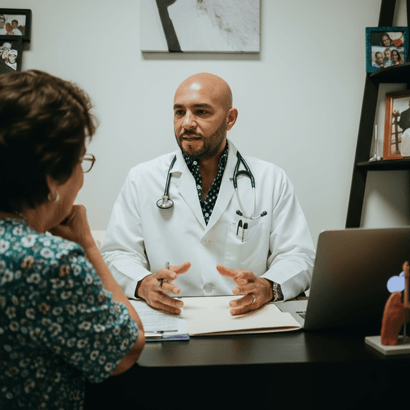
At Dr. Noe Zamudio's clinic, the first step is understanding the patient's individual situation.
A consultation may involve reviewing:
Current symptoms
Past sports injuries
Medical history
Previous surgeries
Activity level
Joint function
Mobility limitations
Long-term health goals
This information helps guide a discussion about the most appropriate next steps.
Some patients may benefit primarily from exercise and rehabilitation.
Others may need additional diagnostic evaluation or treatment for an existing condition.
The objective is to identify an appropriate plan rather than assume every patient needs regenerative therapy.
Protecting Your Mobility Starts with Understanding Your Body
You do not need to wait for severe pain to begin taking joint health seriously.
If you are noticing changes in movement, recovering from an old injury, or wondering how to maintain mobility as you age, a medical evaluation may help clarify your options.
The most valuable approach combines informed decisions, healthy habits, and treatment recommendations based on individual needs.
Learn More About Joint Health with Dr. Noe Zamudio
Whether you are a former athlete, an active adult, or someone concerned about recurring joint symptoms, our team can help you take the first step toward understanding your musculoskeletal health.
At our clinic in Los Algodones, Baja California, Dr. Noe Zamudio offers individualized evaluations to discuss symptoms, functional goals, and appropriate treatment options.
Contact our team to schedule a consultation and learn more about maintaining mobility and managing joint health.
Medical disclaimer: This article is educational and does not establish that regenerative procedures prevent joint degeneration or cellular aging. The safety and effectiveness of specific treatments depend on the product, condition, evidence, and individual patient.